
Fall 2026 Department of Economics Alumni Talk: “There Is No Standard Answer: How Four Economics Graduates Found Their Own Paths” — Ping-Chun Chung and Fellow Alumni
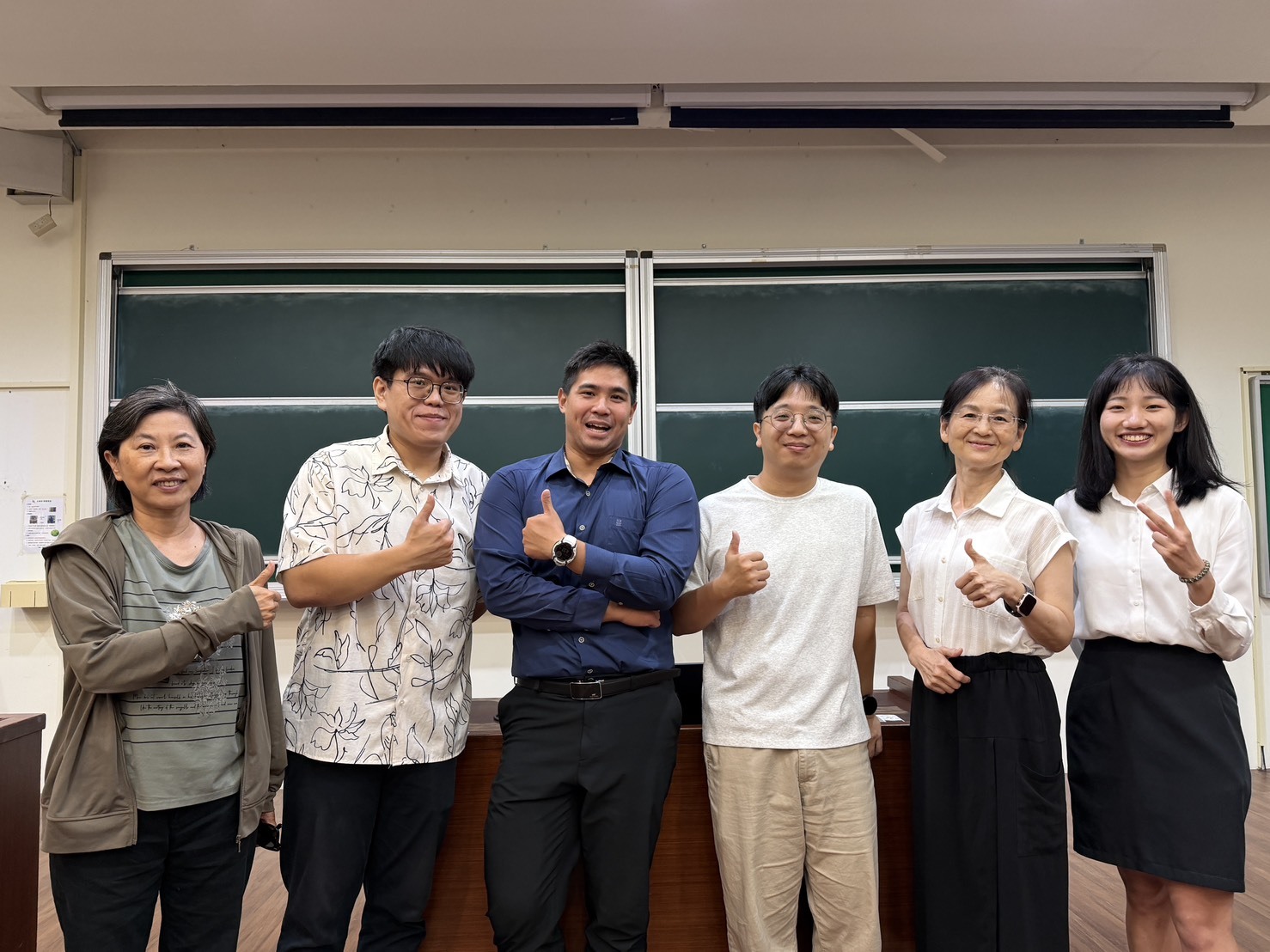
On September 11, 2026, the Department of Economics at National Dong Hwa University invited four distinguished alumni back to the Department for a talk entitled “There Is No Standard Answer: How Four Economics Graduates Found Their Own Paths.” They shared with current students their career journeys from economics into the gaming industry, finance, AI engineering, and the energy sector, as well as advice on preparing for future careers. The event featured Ping-Chun Chung, Senior Engineer at International Games System Co., Ltd., as the keynote speaker, with alumni Yen-Chen Lin, Hsuan-Yu Lin, and Wei-Chieh Hung joining as panelists. Drawing on their practical experience in their respective fields, the four alumni helped students explore the diverse career opportunities available to economics graduates in the age of AI.
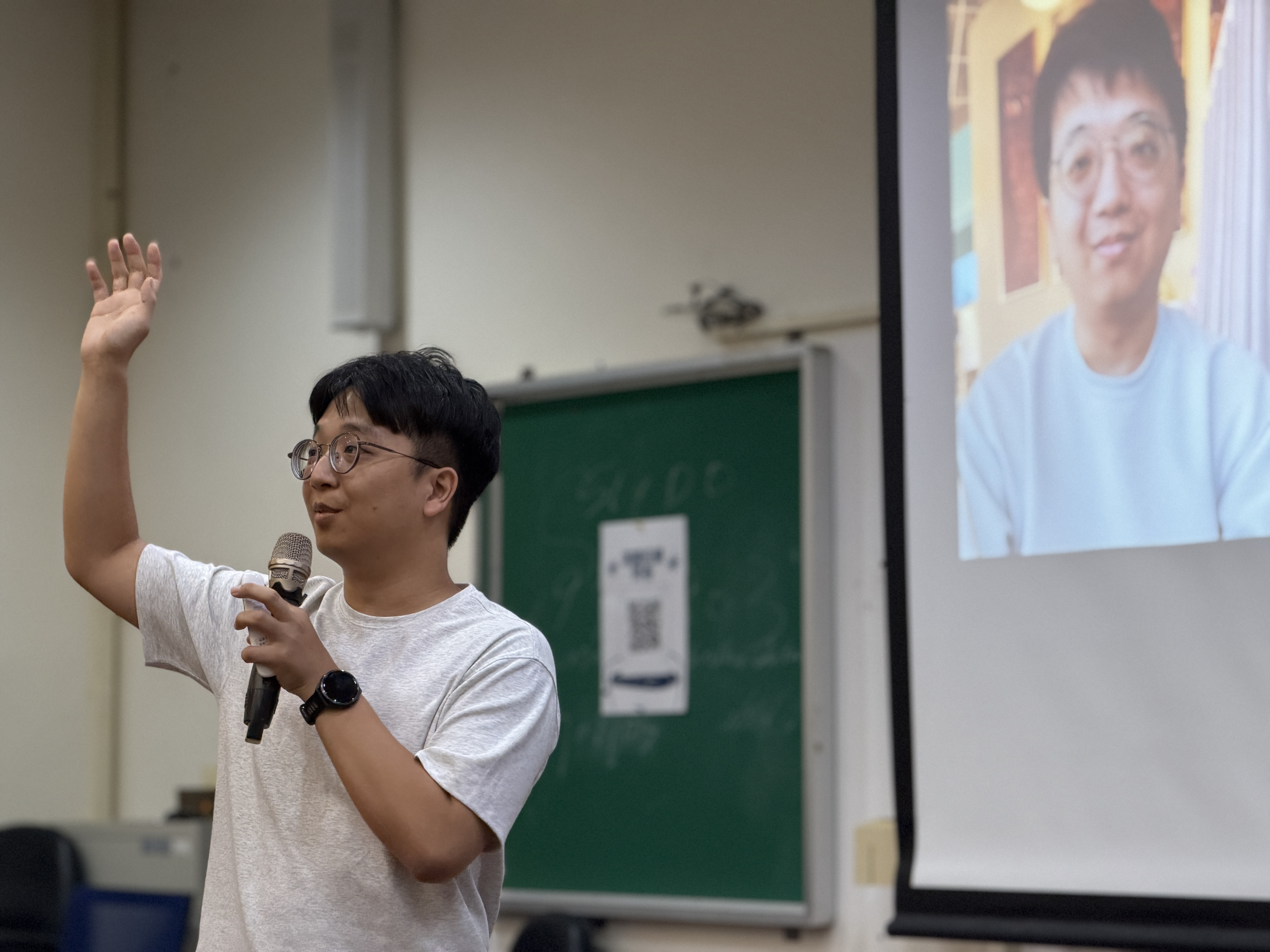
First, alumnus Ping-Chun Chung shared his transition from earning a master's degree in Economics at NDHU to becoming a backend engineer in the gaming industry. He explained how he built a foundation in mathematics and programming through self-study during university and later enrolled in a professional training program at the Institute for Information Industry to strengthen his skills in Java, Linux, databases, and big data analytics. During his job search, he interviewed with approximately 60 to 70 companies. Although his lack of work experience put him at a disadvantage in salary negotiations, the process helped him gradually identify his own career direction. Using in-game bundles as an example, he explained that their design involves the interaction of mechanisms such as login, progression, connectivity, and matchmaking, while concepts from economics—including price discrimination, quantity discounts, and self-selection—operate behind the scenes. “Adding smaller bundles can increase market coverage, while battle passes make use of the psychology behind the sunk cost fallacy.” He emphasized that his economics background has actually given him an advantage when communicating with sales and statistics teams in the gaming industry, because players of different ages, regions, and devices require different pricing strategies. These are unique perspectives developed through economics training. He also reminded students that programming requires not only technical skills but also effective communication. When using AI tools, the key is to “let AI help fill in testing scenarios, but verify the results yourself.” Learning how to communicate requirements precisely to AI will be a core competency in the future workplace.

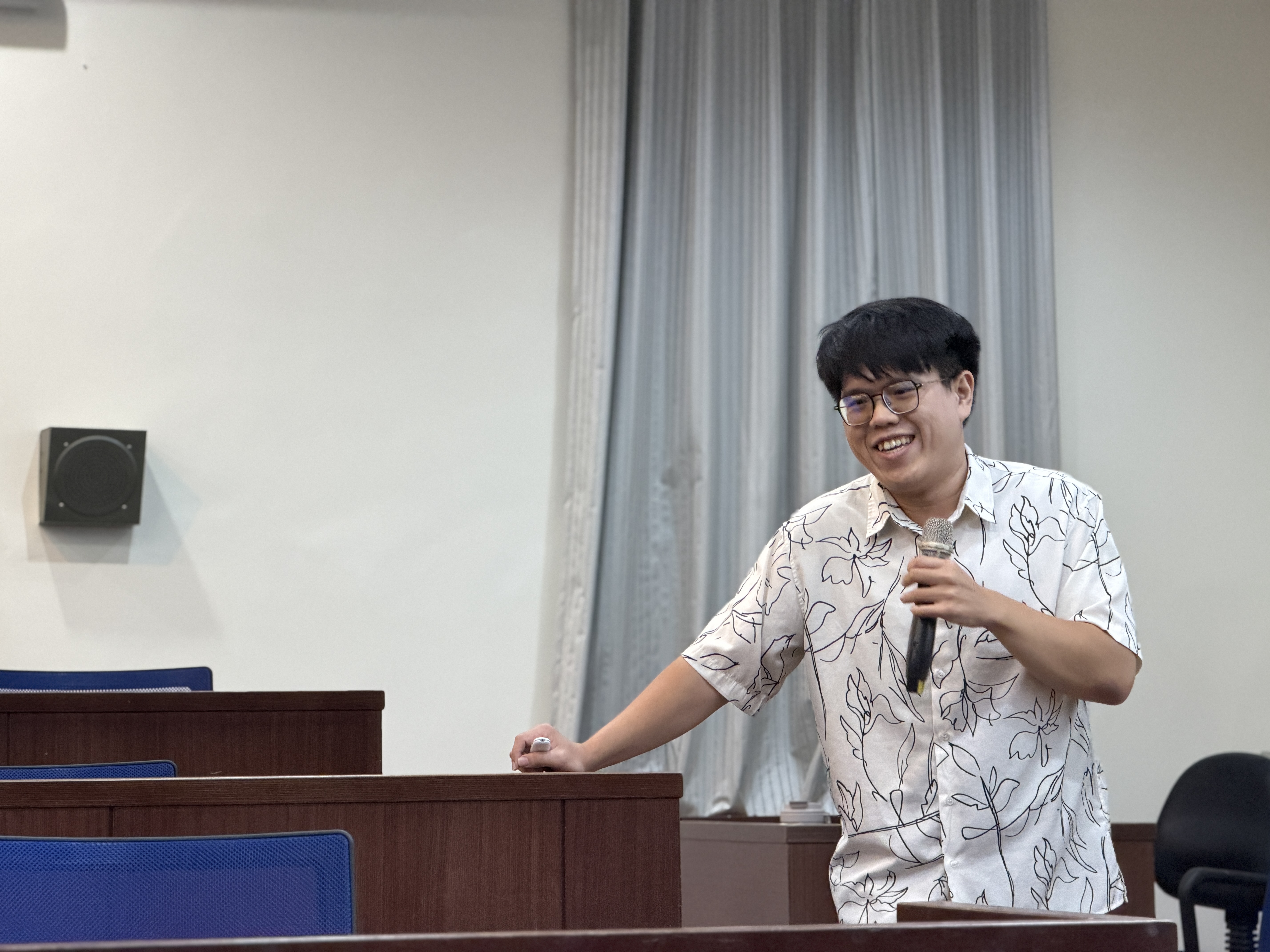
Next, alumna Yen-Chen Lin shared her career journey from working as a research assistant to joining Taishin Shin Kong Financial Holding as an Assistant Relationship Manager (ARM) in corporate banking. Beginning with the distinction between individuals and legal entities, she explained the clients served by corporate banking and the communication approaches required in the field. She noted that communication in the financial industry involves many subtle details—from how clients and colleagues are addressed, to the coordination between middle-office and front-office teams, and even the importance of Taiwanese Hokkien when communicating with small and medium-sized enterprise clients, which can sometimes be more important than English. She also pointed out that seemingly unrelated “hidden requirements,” such as having a driver's license, may actually be essential in day-to-day work. During her time at NDHU, courses and internships in the Department of Economics helped her develop analytical skills and sound judgment, which she now applies to corporate financial analysis and business risk assessment. She also noted that changes in U.S. tariff policies are increasing demand for hedging products, creating professional areas in which economics students can apply their expertise. Regarding the impact of AI on the financial industry, she sees “AI bank employees” and “one-click generation of corporate risk reports” as future trends. Nevertheless, interacting with people and understanding their needs remain core values that AI cannot replace.
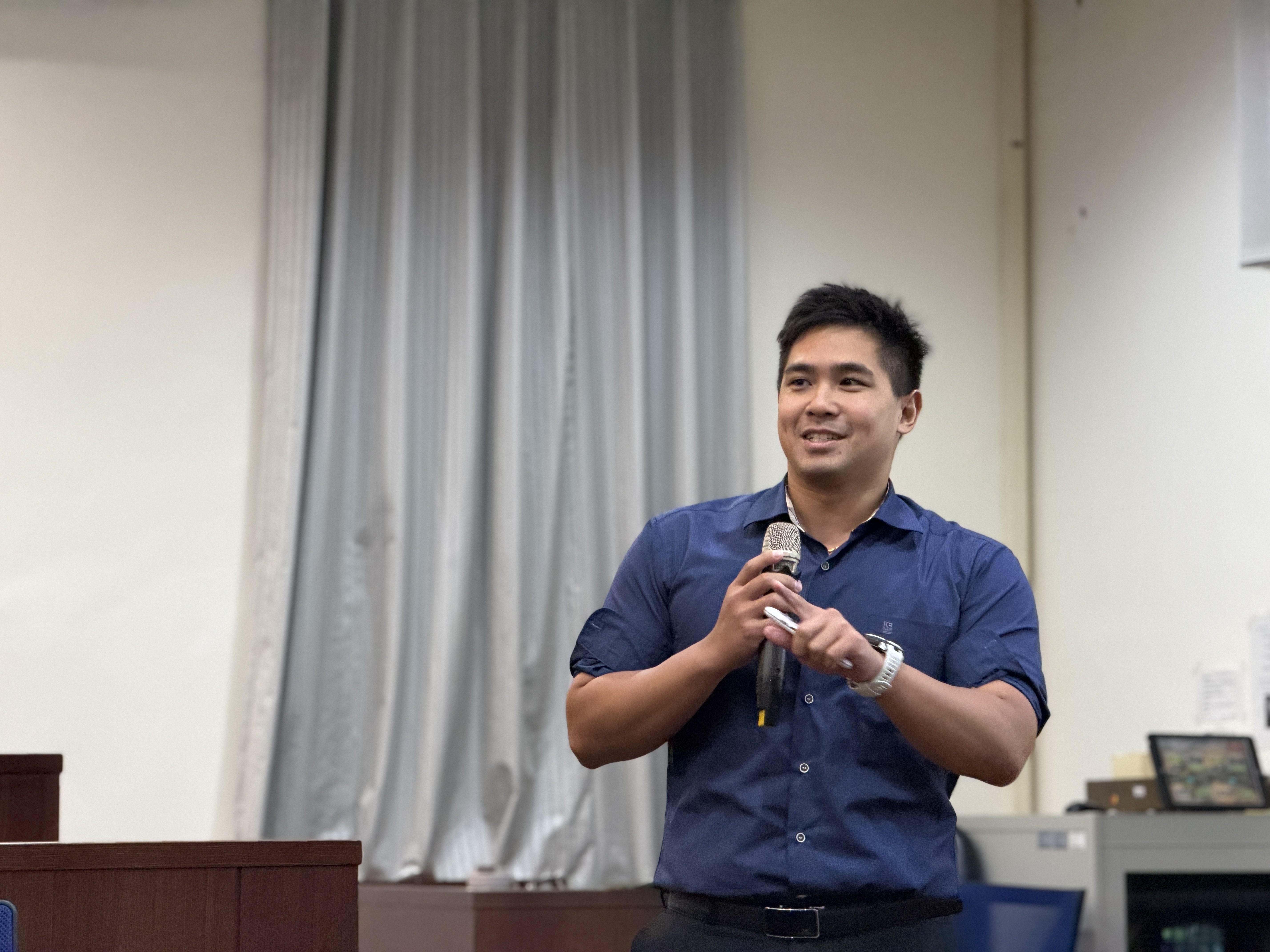
Alumnus Hsuan-Yu Lin began with the idea that “students from the humanities, law, and business fields can also build their own careers in the technology industry,” sharing his journey as an AI engineer specializing in image recognition, during which his monthly salary increased from NT$43,000 to NT$80,000. He particularly emphasized the importance of statistics: “Statistical analysis is the most critical foundation for building AI models,” which he considers a key advantage for economics students. He identified three essential workplace competencies: precise communication (the lower the communication cost, the more smoothly work progresses), problem-solving (having the courage to tackle bugs), and taking responsibility (learning from mistakes). He also observed that AI is bringing major changes to the workplace: the knowledge threshold is rising dramatically, relying blindly on AI can be worse than not using AI at all—making independent thinking even more valuable—and companies have a strong demand for employees who can contribute immediately. He therefore encouraged students to deliberately develop independent learning skills, accumulate teamwork experience, and become proficient in office software such as Microsoft Office while still at university, so that they can better adapt to a rapidly changing workplace.
Alumnus Wei-Chieh Hung, currently an Assistant Manager in energy sales at Chailease, drew on his experience in the energy industry to explain the core principles of sales work. He divided the sales process into four stages: “contact, needs, solutions, and implementation,” emphasizing that each stage requires reassessment because “what you see on site is often different from what you imagine in the meeting room.” In his view, the fundamentals of sales lie in asking questions (turning vague issues into specific ones), listening (understanding concerns that have not been explicitly expressed), and coordination (helping different parties move in the same direction). The underlying logic of these skills, he explained, is the economic way of thinking in terms of trade-offs. “Examine the conditions, make trade-offs, and then verify” is a methodology he has repeatedly applied from graduate school through his professional career. He also noted that AI's role in sales is to organize information and accelerate work, but decisions without standard answers still require human experience and judgment.

The four alumni emphasized that “education affects the flexibility of your future choices, while there is no single standard answer in life.” As AI rapidly permeates different industries, the training provided by economics—including statistical analysis, trade-off thinking, the concept of price discrimination, and an understanding of human behavior and markets—can become a distinctive advantage for interdisciplinary career development. They encouraged students to actively develop communication, coordination, and problem-solving skills, continue learning, and obtain professional certifications. More importantly, “your direction will be refined through the choices you make.” Only by having the courage to explore and continually challenge themselves can students truly take control of their career choices in the age of AI.
Event Notes Compiled by Yu-En Chi